Top Algorithmic Trading Software Licenses - Automate Your Trades Securely
On this page you will find everything about algorithmic trading software license. Compare products and find the best deals on Amazon.
Best products for "algorithmic trading software license"

Algorithmic Trading and DMA: An introduction to direct access trading strategies

Algorithmic Trading: Winning Strategies and Their Rationale (Wiley Trading)

Python for Algorithmic Trading Cookbook: Recipes for designing, building, and deploying algorithmic

Algorithmic Trading with Python: Quantitative Strategies, Machine Learning, and NeuroEvolution in Pr

Algorithmic Trading with Python: Build, Backtest, and Automate Strategies with Code, Data, and Real-

High-Frequency Trading: A Practical Guide to Algorithmic Strategies and Trading Systems (Wiley Tradi

Algorithmic Options Trading Foundations: Volatility Models, Execution Logic, and Portfolio Systems i

Machine Learning for Algorithmic Trading: Predictive models to extract signals from market and alter

ALGO TRADING CHEAT CODES: Techniques For Traders To Quickly And Efficiently Develop Better Algorithm

Algorithmic Trading with Python: Quantitative Methods and Strategy Development

The Ultimate Algorithmic Trading System Toolbox + Website: Using Today's Technology To Help You Beco
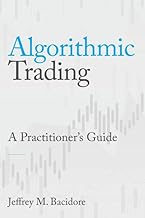
Algorithmic Trading: A Practitioner's Guide

Fast Python: Master the Basics to Write Faster Code (Algorithmic Trading)

Algorithmic Trading Methods: Applications Using Advanced Statistics, Optimization, and Machine Learn

The Algorithmic Crypto Playbook: A Practical Guide to Building, Testing, and Trading Systematic Stra

High-Performance Algorithmic Trading Using AI: Strategies and insights for developing cutting-edge t

Maximum Trading Gains With Anchored VWAP - The Perfect Combination of Price, Time & Volume

Wyckoff 2.0: Structures, Volume Profile and Order Flow (Trading and Investing Course: Advanced Techn
Python for Algorithmic Trading Cookbook: Recipes for designing, building, and deploying algorithmic
Cache-based update: Every 7 days or as needed
Letzte Cache-Aktualisierung: 04.04.2026 11:10:27 Uhr
Detailed information about algorithmic trading software license
Algorithmic Trading Software License: The Definitive Guide
Auf dieser Seite finden Sie alles zum Thema algorithmic trading software license. Whether you are a professional trader, a fintech startup, or a software developer seeking to deploy or commercialize algorithmic trading platforms, understanding software licensing is crucial. In this extensive guide, we cover license types, key components, legal compliance, choosing the right license, and important considerations for obtaining and using algorithmic trading software licenses.
What Is an Algorithmic Trading Software License?
An algorithmic trading software license is a legal agreement that governs the use, distribution, and modification of software designed for automated trading. Such software executes trades automatically based on pre-defined rules, leveraging algorithms to analyze market data and generate trading signals with minimal human intervention. Licensing ensures that the rights of both developers and users are protected, and clarifies legal responsibilities.
Why Do You Need a License for Algorithmic Trading Software?
- Compliance: Many jurisdictions require firms and traders to use software in compliance with legal and regulatory requirements.
- Intellectual Property Protection: Licenses protect the rights of software creators against unauthorized use, reproduction, or resale.
- Risk Management: Licensing terms often contain clauses that manage liability and warranty limitations, ensuring users understand risks.
- Access Control: Licenses help developers manage who can use, modify, or distribute their software.
Types of Algorithmic Trading Software Licenses
There are several licensing models for algorithmic trading software. Understanding these will help you choose the best fit for your needs, whether you are acquiring commercial software, using open-source platforms, or developing in-house solutions.
1. Proprietary Software Licenses
Proprietary algorithmic trading software is owned by a company or individual. Users are granted limited rights under specific conditions, typically defined in an End User License Agreement (EULA). Key features include:
- Restricted Access: Only licensed parties may use the software.
- No Source Code: Generally, users cannot view or modify the software’s source code.
- Payment: Licenses may involve one-time fees, subscription models, or usage-based payments.
- Support: Often includes vendor support and regular updates.
2. Open Source Licenses
Open source algorithmic trading platforms are increasingly popular due to their transparency and flexibility. Common open-source licenses include the MIT License, GNU GPL, and Apache License. Core characteristics:
- Source Code Access: Users are free to view, modify, and sometimes redistribute the code.
- Attribution Requirements: Licenses may require proper attribution to the original creators.
- Copyleft Clauses: Some licenses (e.g., GNU GPL) require derivatives to be open source as well.
- No Warranty: Open source software is often provided “as is”.
3. Custom or In-House Licenses
Firms developing proprietary algorithmic trading strategies often create internal licenses or terms of use. These aren't typically shared publicly and are customized to suit specific operational, compliance, and security needs.
Essential Components of an Algorithmic Trading Software License Agreement
Before purchasing or deploying automated trading software, review the license agreement carefully. Key elements to look for include:
- Scope of Use: Defines where, how, and by whom the software can be used (e.g., single user, site-wide, multi-client).
- Modification Rights: Details if and how the software can be altered or integrated with other systems.
- Distribution Terms: Sets rules for redistribution or resale of the software or its derivatives.
- Termination Clauses: Explains conditions under which the license can be revoked or terminated.
- Support and Updates: Specifies whether maintenance, support, and future updates are included.
- Liability and Warranty: Allocates responsibility for damages, trading losses, or software malfunctions.
- Confidentiality: Particularly important for proprietary algorithms and trading strategies.
Legal and Regulatory Considerations
Using algorithmic trading software is subject to regulation in many financial markets. Licensing does not replace regulatory compliance. Users must ensure:
- Local Financial Regulations: Check with regional securities authorities about rules governing automated trading tools.
- KYC/AML Compliance: Ensure the software supports necessary onboarding and compliance for Know Your Customer (KYC) and Anti-Money Laundering (AML) regulations.
- Risk Controls: Most jurisdictions require algorithmic trading systems to have pre-trade risk checks and kill-switches.
- Audit Trails: Licensing should not prevent necessary recordkeeping for regulatory audits.
Data Licensing and Third-Party Integration
Many algorithmic trading systems rely on real-time and historical market data provided by third parties. Always check:
- Market Data Licenses: Make sure your trading software license covers or is compatible with market data usage terms.
- Integration Permissions: If you use APIs or connect to exchanges, review the Terms of Service for each third-party provider.
How to Choose the Right Algorithmic Trading Software License
Selecting the right algorithmic trading software license depends on several factors:
- Business Model: Will you use the software for in-house trading, as a service for clients, or for resale?
- Technical Requirements: Do you need access to source code? Will you be customizing the platform?
- Budget: Proprietary licenses often involve upfront or ongoing costs, while open-source solutions may be free but require development resources.
- Compliance Needs: Consider regulatory constraints in your operating jurisdictions.
- Vendor Reputation: Only license software from reputable vendors with a proven track record in the trading industry.
Best Practices When Licensing Algorithmic Trading Software
- Read the entire license agreement and consult legal counsel if necessary.
- Maintain an inventory of all licensed software, expiration dates, and usage restrictions.
- Ensure compliance with all applicable data and technology regulations.
- Evaluate software security frequently to protect proprietary strategies and client data.
- Document any modifications or integrations made to the licensed software.
Conclusion: Secure and Effective Use of Algorithmic Trading Software Licenses
Securing the appropriate algorithmic trading software license is essential for compliance, operational efficiency, and intellectual property protection in today’s automated financial markets. Understanding licensing models, terms, and legal responsibilities empowers you to deploy, scale, or commercialize your trading strategies with confidence. Always prioritize due diligence and align your software licensing strategy with your broader business goals and regulatory obligations.